

Spine-related conditions affect millions of people and can significantly impact daily life, mobility, and overall well-being. Whether it’s persistent back pain, stiffness, or nerve-related discomfort, these issues are more common than many realize.
According to the American Association of Neurological Surgeons, about 75–85% of Americans will experience back pain at some point in their lives (https://www.aans.org/en/Patients/Neurosurgical-Conditions-and-Treatments/Low-Back-Pain).
This widespread prevalence highlights the importance of understanding spine-related conditions—from early diagnosis to effective recovery strategies.
Understanding Spine-Related Conditions
your body, allows movement, and protects the spinal cord. When any part of this system is affected, it can lead to a variety of spine related conditions, impacting mobility and overall quality of life.
Some of the most common spine-related conditions include:
- Herniated discs: Occur when the soft inner material of a spinal disc pushes through its outer layer, irritating nearby nerves.
- Degenerative disc disease: A condition where discs lose flexibility and cushioning over time.
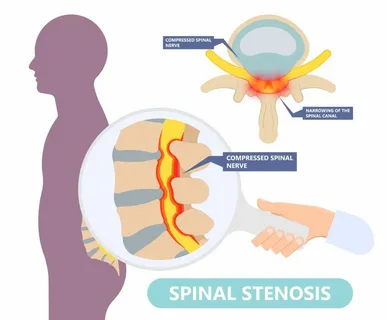
- Spinal stenosis: Narrowing of the spinal canal that puts pressure on nerves.
- Scoliosis: An abnormal curvature of the spine.
- Sciatica: Pain that radiates along the sciatic nerve, often caused by compression in the lower spine.
Each of these conditions varies in severity, but all can interfere with daily activities if left untreated.
Causes and Risk Factors
Spine-related conditions can develop for several reasons. Aging is one of the most common factors, as wear and tear gradually affect spinal structures. However, lifestyle and external factors also play a major role.
Common causes and risk factors include:
- Poor posture, especially from prolonged sitting
- Heavy lifting or improper body mechanics
- Sedentary lifestyle and lack of exercise
- Obesity, which adds strain to the spine
- Injuries from accidents or sports
- Genetic predisposition
Understanding these factors can help you take preventive measures and reduce your risk of developing chronic spinal issues.
Recognizing the Symptoms
Symptoms of spine-related conditions can vary depending on the specific issue and its severity. Some people experience mild discomfort, while others may have intense pain or limited mobility.
Common symptoms include:
- Persistent back or neck pain
- Stiffness or reduced range of motion
- Numbness or tingling in the arms or legs
- Muscle weakness
- Pain that worsens with movement or prolonged inactivity
If symptoms persist or worsen over time, it’s important to seek medical attention for a proper diagnosis.
The Diagnosis Process
Diagnosing spine-related conditions typically involves a combination of medical history, physical examination, and imaging tests. Healthcare providers aim to identify the root cause of your symptoms rather than just treating the pain.
During your evaluation, a doctor or specialist may:
- Ask about your symptoms, lifestyle, and medical history
- Assess your posture, mobility, and reflexes
- Perform imaging tests such as X-rays, MRI, or CT scans
Accurate diagnosis is essential for developing an effective treatment plan tailored to your condition.
Treatment Options
Treatment for spine-related conditions depends on the severity and underlying cause. In many cases, non-invasive approaches are effective in relieving pain and restoring function.
1. Conservative Treatments
Most patients begin with conservative treatments, which may include:
- Physical therapy: Strengthening muscles and improving flexibility
- Chiropractic care: Spinal adjustments to improve alignment
- Medications: Over-the-counter or prescribed pain relievers
- Lifestyle modifications: Improving posture, losing weight, and staying active
These methods are often successful in managing symptoms and preventing further damage.
2. Minimally Invasive Procedures
If conservative treatments are not effective, minimally invasive procedures may be recommended. These can include injections to reduce inflammation or relieve nerve pain.
3. Surgical Intervention
Surgery is typically considered a last resort for severe cases, such as significant nerve compression or structural abnormalities. Advances in medical technology have made many spinal surgeries safer and more effective, with shorter recovery times.
The Recovery Process
Recovery from spine-related conditions varies depending on the type and severity of the issue, as well as the treatment approach. However, a successful recovery often involves a combination of medical care and self-management.
Key components of recovery include:
- Rehabilitation: Physical therapy plays a crucial role in restoring strength and mobility.
- Exercise: Low-impact activities like walking, swimming, or yoga can support spinal health.
- Posture correction: Maintaining proper alignment reduces strain on the spine.
- Consistency: Following your treatment plan and attending follow-up appointments is essential.
Recovery is not always immediate, but with dedication and proper care, many individuals experience significant improvement.
Preventing Future Spine Issues
Prevention is just as important as treatment when it comes to spinal health. Making simple changes to your daily routine can help protect your spine and reduce the risk of future problems.
Consider these preventative tips:
- Maintain a healthy weight
- Practice good posture while sitting and standing
- Use proper lifting techniques
- Stay physically active
- Invest in ergonomic furniture if you work at a desk
By incorporating these habits into your lifestyle, you can support long-term spinal health and overall well-being.
Spine-related conditions can be challenging, but they are manageable with the right knowledge and care. From early diagnosis to tailored treatment and consistent recovery efforts, there are many ways to regain control of your health.
If you’re experiencing persistent back or neck pain, don’t ignore the signs. Seeking professional help early can prevent complications and set you on the path to recovery.
With the right approach, you can improve your mobility, reduce pain, and enjoy a healthier, more active life.
