

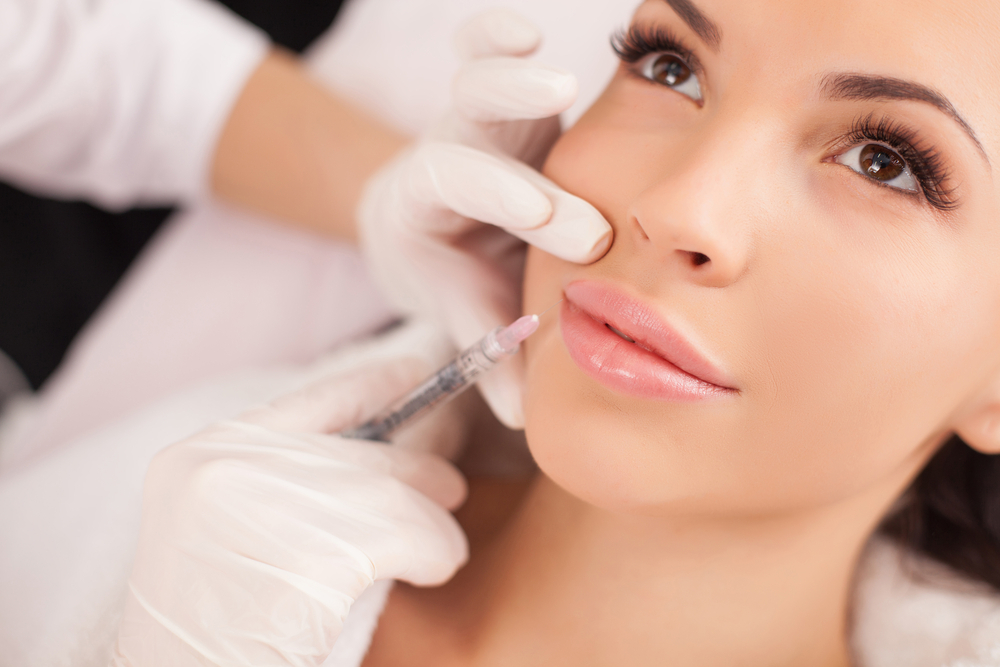
Aesthetic medicine is gradually moving beyond the idea that rejuvenation is simply about adding volume or reducing the appearance of wrinkles. Today, greater attention is being placed on skin quality—including hydration, elasticity, texture, firmness, and overall radiance. This shift has encouraged the development and use of injectable treatments designed not only to alter facial contours but also to support the condition and appearance of the skin.
Modern injectable treatments can include hyaluronic acid-based skin boosters, biostimulatory products, and other approaches intended to influence the skin’s extracellular matrix and stimulate biological processes. Research suggests that different injectable categories may improve parameters such as hydration, elasticity, texture, and fine lines, although results and supporting evidence vary between products and techniques.
What Does “Skin Quality” Really Mean?
Skin quality is a broad concept rather than a single measurable characteristic. Healthy-looking skin generally has adequate hydration, an even appearance, smooth texture, resilience, and appropriate elasticity. As people age, collagen and elastin production changes, while environmental exposure—particularly ultraviolet radiation—can contribute to structural deterioration.
Instead of focusing exclusively on facial volume, modern aesthetic planning considers how the skin itself looks and behaves. This can mean addressing dehydration, roughness, fine lines, reduced elasticity, or dullness alongside traditional concerns such as wrinkles and volume loss.
The Role of Hyaluronic Acid Injectables
Hyaluronic acid is naturally present within the skin and has an important relationship with hydration and the extracellular matrix. Injectable formulations designed for skin-quality improvement can be administered more superficially than traditional volumizing fillers, depending on the product and treatment objective.
Because hyaluronic acid has strong water-binding properties, certain injectable formulations can help improve the appearance of dehydrated or crepey skin. Research also indicates that hyaluronic acid may influence fibroblast activity and collagen-related pathways, although its primary benefits in skin boosters are generally associated with hydration and improvement in the dermal environment rather than dramatic structural volume enhancement.
From Filling to Biostimulation
One of the most important developments in modern aesthetics is the growing interest in biostimulation. Rather than simply replacing lost volume, some injectable materials are designed to encourage the skin’s own remodeling processes.
Biostimulatory approaches may involve materials such as poly-L-lactic acid or calcium hydroxylapatite. These treatments are associated with fibroblast activity, collagen production, and extracellular-matrix remodeling. Their effects generally develop progressively rather than appearing solely as an immediate change in facial volume.
This approach can be particularly appealing to individuals who want gradual improvement and a more natural-looking transition rather than a visibly altered appearance.
Why Skin Boosters Are Different From Traditional Fillers
Traditional dermal fillers are commonly used to restore or enhance specific areas of facial volume, such as the lips, cheeks, chin, or certain facial contours. Skin boosters, by comparison, generally place greater emphasis on the quality and condition of the skin.
The distinction is important. Someone may have adequate facial volume but still experience dryness, fine lines, rough texture, or reduced elasticity. In such cases, adding more volume may not address the underlying aesthetic concern. A skin-quality treatment may instead be considered as part of a broader rejuvenation strategy.
A Personalized Approach to Injectable Treatments
There is no single injectable treatment that is appropriate for everyone. A modern aesthetic consultation should consider the person’s skin characteristics, facial anatomy, age-related changes, treatment history, goals, and tolerance for downtime.
At Vedas Medical Spa, an individualized approach can help place injectable treatments within a broader skin-care strategy rather than treating them as isolated procedures. The objective of a personalized plan should be to determine whether hydration-focused treatments, collagen-stimulating approaches, traditional fillers, or complementary skin treatments are appropriate for the individual’s concerns.
Combining Injectables With Skin Care
Injectables are not replacements for everyday skin care. Sun protection, appropriate cleansing, moisturization, and professionally recommended active ingredients remain important components of maintaining skin health.
In some treatment plans, injectables may be combined with energy-based procedures, topical skin care, or other aesthetic treatments. Combining approaches can address different aspects of skin aging, but treatment sequencing and suitability should be determined by a qualified medical professional.
The Importance of Natural-Looking Results
Modern aesthetic treatment increasingly emphasizes subtlety. The goal is not necessarily to make someone look dramatically different but to improve the characteristics that make the skin appear healthy and refreshed.
This philosophy encourages practitioners to consider proportion, facial movement, skin condition, and the patient’s individual anatomy. A successful treatment may therefore be one where improvements are noticeable without making the face appear excessively treated.
Understanding Safety and Expectations
Injectable procedures are medical treatments and should be approached with appropriate care. Temporary redness, swelling, tenderness, or bruising can occur after injections. Certain products and techniques can also carry more significant risks, making practitioner experience, appropriate product selection, sterile technique, and careful patient assessment important.
Patients should also understand that results vary. Some treatments produce relatively quick improvements in hydration or appearance, while biostimulatory treatments may require time and, in some cases, multiple sessions to produce their intended effect. Current reviews also emphasize that evidence and standardized protocols vary among newer skin-booster categories.
The Future of Aesthetic Skin Rejuvenation
The direction of aesthetic medicine increasingly reflects a shift from correction toward preservation and regeneration. Instead of waiting for significant volume loss or advanced signs of aging, people are becoming more interested in maintaining skin quality and supporting its structural properties over time.
Emerging research is exploring a variety of injectable materials and biological approaches, including polynucleotides and other regenerative concepts. However, enthusiasm for newer treatments should be balanced with an understanding that clinical evidence is not equally strong for every product or technique.
Conclusion
The modern aesthetic approach to injectables is becoming increasingly sophisticated. Rather than viewing injections solely as tools for adding volume, practitioners are considering hydration, elasticity, texture, collagen support, and overall skin quality.
This does not mean traditional fillers have become irrelevant. Instead, injectables now form part of a broader spectrum of aesthetic options. The most appropriate treatment depends on the individual’s anatomy, skin condition, goals, and medical assessment.
Ultimately, the modern philosophy is less about changing the face and more about enhancing its natural appearance while supporting healthier-looking skin. As research continues to develop, personalized treatment planning and realistic expectations will remain central to achieving safe and natural-looking aesthetic outcomes.
