

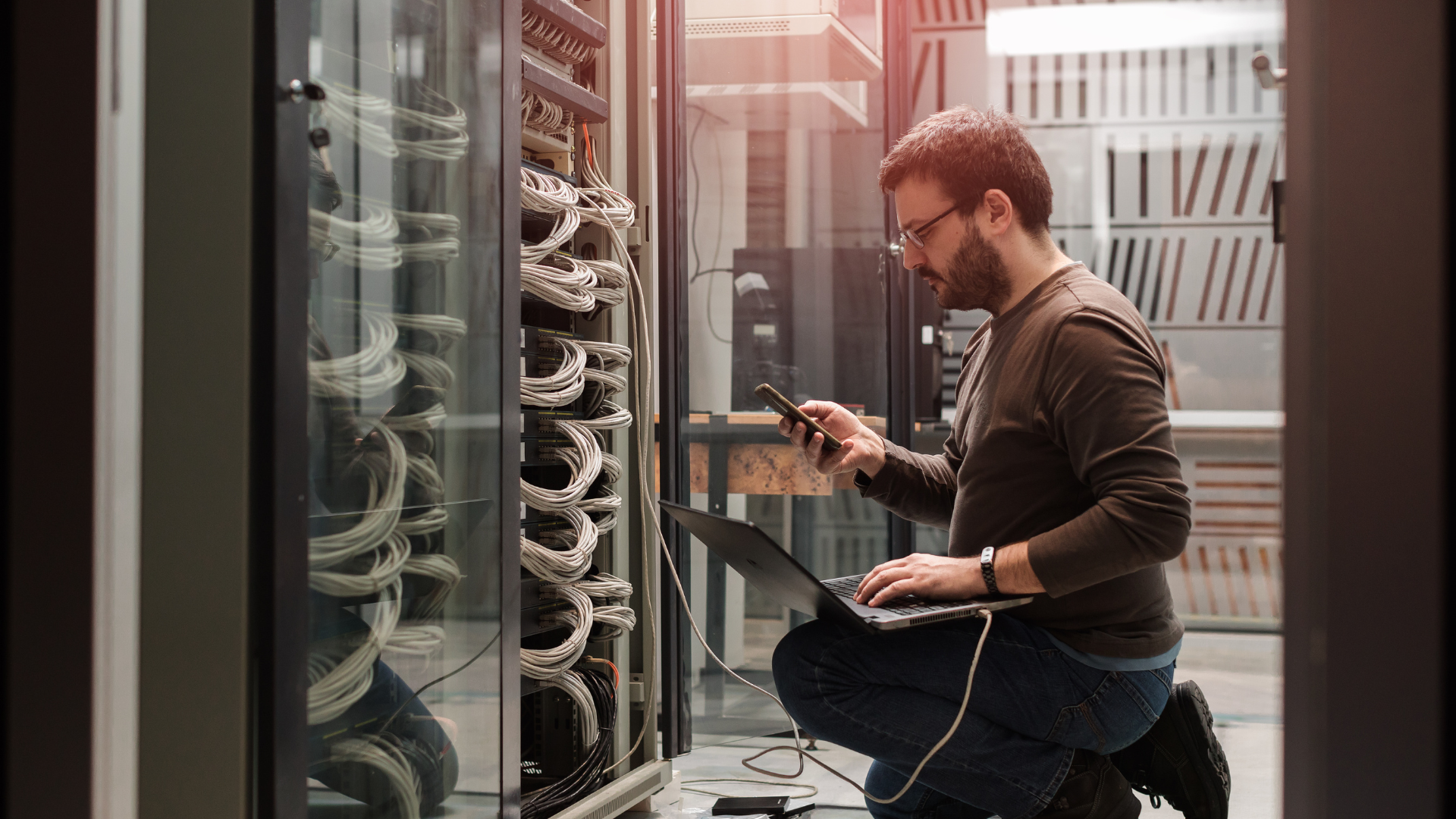
Controlled environments such as clean rooms and data centres are designed to support precision, reliability, and uninterrupted operations. Even minimal contamination, dust buildup, or static discharge can compromise sensitive processes and critical equipment. This is why professional clean room cleaning and data centre cleaning practices are essential not only to maintain cleanliness but also to protect performance, safety, and long-term operational stability.
What Is Clean Room Cleaning and Data Centre Cleaning?
Clean room cleaning focuses on maintaining contamination-free environments used in manufacturing, laboratories, healthcare, and semiconductor facilities. These environments require strict control of airborne particles, surface residues, and microbial contaminants to meet regulatory and quality standards.
Data centre cleaning, on the other hand, is centred on removing dust, debris, and static-prone contaminants that threaten servers, cooling systems, and IT infrastructure. While both require controlled methods, they differ in standards, tools, and procedures. Clean rooms follow cleanliness classifications and sterile protocols, whereas data centres prioritise airflow efficiency, static control, and uptime protection.
Strict Contamination and Dust Control
Effective contamination control begins with the right tools and techniques. Professional teams use HEPA-filtered vacuums, lint-free wipes, and non-shedding materials to capture fine particles without redistributing them into the air. Cleaning is performed using controlled movements and sequencing to prevent particle spread—an essential requirement in both clean rooms and data centres where airborne dust can cause immediate issues.
Use of Trained Personnel and Proper Protocols
Successful clean room cleaning and data centre cleaning depend heavily on trained technicians who understand controlled-environment standards. Personnel follow strict protocols for entry, attire, and movement to minimise contamination introduction. Cleaning sequences are carefully planned to move from low-risk to high-risk areas, ensuring consistency, safety, and compliance throughout the process.
Safe Cleaning Methods for Sensitive Equipment
Sensitive equipment requires specialised care. Non-abrasive, anti-static cleaning techniques are used to protect servers, cables, racks, and clean room instruments from damage. In data centres, static-safe tools prevent electrostatic discharge, while in clean rooms, residue-free agents protect surfaces and equipment integrity. These methods ensure effective cleaning without interrupting operations or harming critical assets.
Scheduled Maintenance and Monitoring
Cleanliness in controlled environments is not a one-time task—it requires structured, ongoing maintenance. Professional providers implement scheduled cleaning programmes based on environment classification, usage levels, and risk profiles. Regular monitoring and inspections help maintain required cleanliness levels, identify emerging risks early, and ensure environments remain audit-ready.
Compliance, Safety, and Risk Reduction
Adhering to best practices in clean room cleaning and data centre cleaning supports compliance with industry and operational standards. Proper cleaning reduces the risk of equipment failure, contamination incidents, and unplanned downtime. By controlling dust, particles, and static, organisations protect both their infrastructure and the people who rely on it.
Protect Performance with Professional Cleaning Expertise
Maintaining clean, controlled environments is critical for safety, compliance, and performance. By following best practices and engaging specialists, organisations can reduce risk and extend the lifespan of critical systems.
Partner with Data Clean Asia for professional clean room cleaning and data centre cleaning solutions. Contact our experts today to ensure your facilities remain compliant, efficient, and protected against contamination risks.
