

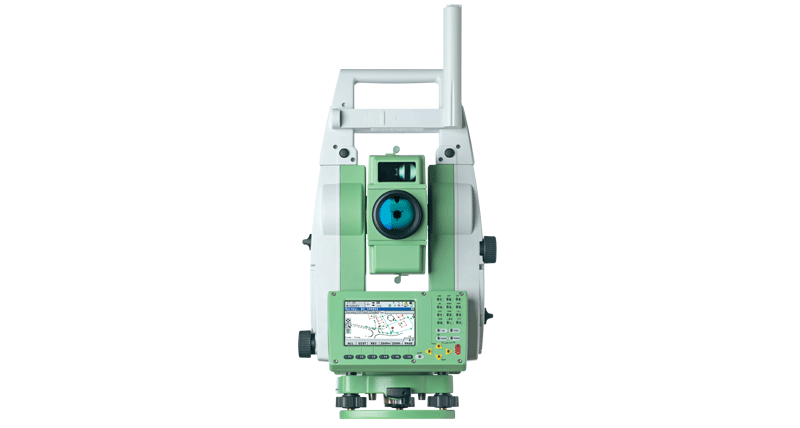
A Beginner’s Guide to Operating a Robotic Total Station is essential for surveyors, engineers, and construction professionals who want to improve accuracy and efficiency in modern surveying work. Robotic total stations have transformed field surveying by automating measurements and reducing the need for multiple operators. This guide will walk you through the basics, setup process, and practical usage tips.
What is a Robotic Total Station?
A robotic total station is an advanced surveying instrument that combines electronic distance measurement (EDM), angle measurement, and remote-control automation. Unlike traditional total stations, it can be operated by a single person using a controller.
In a Beginner’s Guide to Operating a Robotic Total Station, understanding its components is the first step:
- Telescope for sighting targets
- EDM for measuring distances
- Motorized base for automatic rotation
- Controller (data collector) for remote operation
These features allow precise data collection with minimal manual intervention.
Setting Up the Equipment
Proper setup is critical for accurate results. Follow these basic steps:
1. Tripod Setup
Place the tripod firmly on stable ground. Ensure the legs are evenly spaced to avoid movement during operation.
2. Mounting the Instrument
Secure the robotic total station onto the tripod using the mounting base. Double-check that it is tightly fixed.
3. Leveling the Device
Use the built-in electronic level or bubble level to ensure the instrument is perfectly horizontal.
4. Power and Connectivity
Turn on the device and connect it to the controller or data collector via Bluetooth or radio communication.
A well-executed setup is the foundation of any Beginner’s Guide to Operating a Robotic Total Station.
Calibration and Instrument Checks
Before starting fieldwork, calibration ensures accuracy:
- Perform a prism constant check
- Verify line-of-sight accuracy
- Check battery levels
- Ensure communication between controller and station
Skipping calibration can lead to measurement errors, which is a common mistake among beginners following a Beginner’s Guide to Operating a Robotic Total Station.
Operating the Robotic Total Station
Once setup is complete, you can begin measurements:
Target Locking
Use the controller to lock onto a prism. The instrument will automatically track it as it moves.
Measuring Points
Record coordinates by aiming at specific points and storing data in the system.
Data Collection
All measurements are saved digitally, reducing the risk of manual errors.
Understanding these steps is the core of any Beginner’s Guide to Operating a Robotic Total Station.
Best Practices for Beginners
To improve efficiency and accuracy, keep these tips in mind:
- Always start with a stable setup
- Regularly check prism alignment
- Avoid obstructed line-of-sight conditions
- Keep batteries fully charged
- Practice with simple layouts before complex surveys
These habits help beginners become confident users more quickly.
Common Mistakes to Avoid
New users often face issues such as:
- Incorrect leveling of the instrument
- Poor communication between controller and station
- Ignoring calibration steps
- Misplacing the prism during measurement
Avoiding these mistakes is essential for mastering a Beginner’s Guide to Operating a Robotic Total Station effectively.
Conclusion
A robotic total station is a powerful tool that enhances precision and productivity in surveying. By understanding setup procedures, calibration, and operational techniques, beginners can quickly become proficient users. This Beginner’s Guide to Operating a Robotic Total Station provides a solid foundation for anyone starting in modern surveying technology.
With practice and attention to detail, users can confidently handle field tasks and achieve highly accurate results.
