

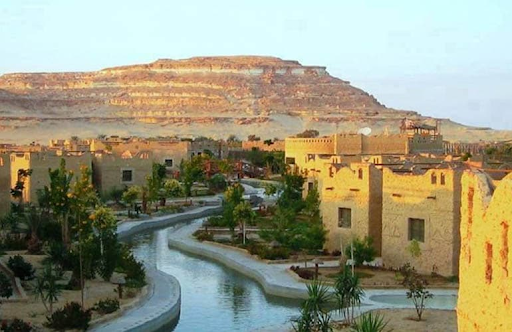
The concept of an egypt oasis conjures romantic images of palm-fringed pools appearing miraculously amid endless sand, and nowhere are these desert jewels more captivating than in Egypt. Beyond the Nile Valley’s verdant ribbon, Egypt’s Western Desert conceals extraordinary oases that have served as vital lifelines for millennia. These isolated pockets of fertility represent far more than geographical curiosities; they are living museums of ancient cultures, unique ecosystems, and architectural wonders that reveal forgotten chapters of human civilization.
The Geography of Egypt’s Desert Sanctuaries
Egypt’s major oases form a remarkable arc through the Western Desert, each possessing distinct characteristics shaped by unique geological and hydrological conditions. The Siwa Oasis, positioned near the Libyan border, stands as perhaps the most famous, renowned for its otherworldly landscapes and Berber culture. Bahariya Oasis showcases dramatic desert contrasts with black volcanic formations meeting golden sand seas. Farafra, the smallest and most isolated, offers surreal white desert landscapes that resemble alien planets. Dakhla and Kharga oases stretch across vast territories, containing some of Egypt’s most significant archaeological treasures.
These oases exist because of the Nubian Sandstone Aquifer System, one of the world’s largest underground water reserves. Ancient rainwater, accumulated during wetter climatic periods thousands of years ago, remains trapped in porous rock layers deep beneath the desert surface. Natural fissures and human-dug wells bring this precious resource to the surface, creating fertile islands where date palms, olive trees, and diverse crops flourish despite surrounding aridity.
The physical isolation of Egypt’s oases has profoundly influenced their development. Before modern roads connected these communities to the Nile Valley, journey times were measured in weeks rather than hours. This isolation fostered unique cultural identities, architectural styles, and agricultural practices that evolved independently from mainstream Egyptian civilization while maintaining connections through ancient caravan routes.
Historical Significance: Crossroads of Ancient Civilizations
Egypt’s oases have witnessed human habitation extending back to prehistoric times. Archaeological evidence reveals Stone Age populations exploiting these water sources when the Sahara experienced considerably wetter conditions. As climate change gradually transformed the region into desert, oases became crucial refuges where communities adapted remarkably specialized survival strategies.
During pharaonic times, oases served strategic military and economic purposes. The Oracle of Amun at Siwa Oasis achieved legendary status after Alexander the Great traveled there in 331 BCE seeking divine confirmation of his status as Egypt’s rightful ruler. The oracle’s pronouncement, whatever it actually was, legitimized Alexander’s conquest and embedded Siwa permanently in Western historical consciousness.
Roman occupation brought unprecedented development to Egypt’s oases. The Romans recognized their agricultural potential and strategic value for controlling desert trade routes. They constructed sophisticated irrigation systems, fortresses, and way stations that transformed oasis economies. Kharga Oasis became particularly important, with Roman settlements, temples, and necropolises demonstrating the area’s prosperity during this period. The Temple of Hibis, one of the best-preserved Persian-era monuments in Egypt, stands testament to the cosmopolitan nature of oasis communities.
Christian communities flourished in these isolated locations during early Christianity’s formative centuries. Monks seeking solitude established monasteries that became centers of spiritual and intellectual activity. The painted tombs at Bagawat Necropolis in Kharga represent some of Christianity’s earliest artistic expressions, predating many famous European Christian artworks by centuries.
Unique Ecosystems and Biodiversity
Despite extreme desert conditions surrounding them, Egypt oases support remarkable biodiversity. The microhabitats created by permanent water, shade from palm groves, and cultivated areas attract species otherwise absent from vast desert expanses. Migratory birds utilize oases as critical stopover points during trans-Saharan journeys, with some species exhausted from crossing hostile terrain arriving in such depleted states that oasis vegetation means survival versus death.
Date palms form the ecological foundation of oasis environments. These remarkable trees tolerate extreme heat, saline water, and nutrient-poor soils while producing nutritious fruit and creating shade that moderates ground temperatures significantly. Traditional oasis agriculture employs ingenious three-tier systems: date palms form the upper canopy, fruit trees like figs and apricots occupy the middle layer, and vegetables grow at ground level. This vertical farming maximizes limited water resources while creating productive, biodiverse environments.
Natural springs feeding Egypt’s oases vary dramatically in temperature and mineral composition. Some emerge cool and fresh, perfect for drinking and irrigation. Others surface as hot springs reaching temperatures exceeding 100°F (38°C), rich in minerals that locals attribute with therapeutic properties. Cleopatra’s Bath in Siwa, actually a natural stone pool fed by spring water has attracted bathers for millennia, though Cleopatra herself likely never visited.
Contemporary Life and Cultural Heritage
Modern Egypt oasis communities maintain fascinating cultural traditions while adapting to contemporary realities. Siwa Oasis particularly preserves unique cultural identity, with residents speaking Siwi a Berber language distinct from Arabic and maintaining customs found nowhere else in Egypt. Traditional festivals, distinctive embroidery patterns, and architectural styles using kershef (salt blocks mixed with clay) reflect heritage stretching back centuries.
Agricultural practices continue dominating oasis economies, though tourism increasingly provides alternative income. Date harvests remain economically crucial, with Egypt producing approximately 1.5 million tons annually, much from oasis regions. Olive cultivation has expanded significantly, with Siwa’s organic olives gaining international recognition for exceptional quality attributed to pristine growing conditions and traditional processing methods.
Women play distinctive roles in oasis societies, often managing agricultural work and artisanal production while men handle external trade and political matters. Female craftsmanship produces exquisite textiles, basketry, and jewelry that express local aesthetic traditions. These handicrafts now reach global markets through fair trade initiatives, providing economic empowerment while preserving traditional knowledge.
Adventure and Ecotourism Opportunities
Egypt’s oases offer adventure experiences rivaling the country’s famous pharaonic monuments. White Desert National Park near Farafra presents surreal landscapes where wind-sculpted chalk formations resemble mushrooms, chickens, and abstract sculptures. Overnight camping beneath star-saturated skies unpolluted by artificial light provides unforgettable experiences where the Milky Way appears as a luminous river overhead.
Hot and cold springs scattered throughout oasis regions offer natural spa experiences. Bir Wahed in Siwa combines a cold freshwater spring with a nearby hot spring, allowing visitors to alternate between temperatures in stunning desert settings. These natural features attract wellness tourists seeking therapeutic mineral water benefits combined with desert tranquility.
The Great Sand Sea, accessible from Siwa, presents some of the Sahara’s most spectacular dune fields. Golden sand mountains rise over 100 meters high, creating landscapes of pure geometric beauty. Professional safari operators offer multi-day expeditions exploring this pristine wilderness using four-wheel-drive vehicles and traditional camping methods.
Archaeological Wonders and Ongoing Discoveries
Egypt oases continue yielding archaeological surprises. The Valley of the Golden Mummies in Bahariya, discovered accidentally in 1996, contained over 250 mummies from the Greco-Roman period, many adorned with gilded masks and elaborate decorations. This discovery revolutionized understanding of provincial Egyptian burial practices during this era.
Medieval Islamic architecture flourishes in oasis settlements, where mud-brick mosques, fortified houses, and intricate passageways demonstrate sophisticated design adapted to desert conditions. Al-Qasr village in Dakhla preserves a virtually intact medieval Islamic town where visitors wander narrow streets passing beneath wooden lintels inscribed with Quranic verses and family names dating back centuries.
Conclusion
Egypt’s oases represent extraordinary convergences of nature, history, and human resilience. These desert sanctuaries have sustained civilizations for millennia, witnessed pivotal historical events, and preserved cultural traditions while adapting to modern challenges. From Siwa’s salt lakes and Berber heritage to Kharga’s Roman ruins and Christian monuments, each egypt oasis offers distinct experiences that complement and contrast with Egypt’s Nile Valley attractions. As sustainable tourism develops and archaeological research continues, these remarkable places increasingly reveal their importance not just as historical curiosities but as living communities maintaining unique cultural identities while stewarding fragile desert ecosystems.
Frequently Asked Questions
Q: How many major oases exist in Egypt? A: Egypt has five major oases in the Western Desert: Siwa, Bahariya, Farafra, Dakhla, and Kharga. Additionally, smaller oases and water sources dot the desert, though these are the primary inhabited oasis regions.
Q: What is the best time to visit Egypt’s oases? A: October through April offers ideal conditions with pleasant temperatures ranging from 60-80°F (15-27°C). Summer months (May-September) bring extreme heat often exceeding 110°F (43°C), making outdoor activities uncomfortable and potentially dangerous.
Q: How accessible are Egypt’s oases from Cairo? A: Accessibility varies significantly. Bahariya lies about 365 kilometers (4-5 hours drive) from Cairo, while Siwa requires approximately 560 kilometers (9-10 hours). Domestic flights serve Kharga. Road conditions have improved dramatically, making oasis tours increasingly popular.
Q: Are Egypt’s oases safe for tourists? A: Yes, Egypt’s oases are generally safe with lower crime rates than urban areas. However, traveling with reputable tour operators is recommended, especially for desert excursions. Political situations can change, so checking current travel advisories is prudent.
Q: Can you swim in oasis springs? A: Many oasis springs welcome swimmers, including Cleopatra’s Bath in Siwa and various hot springs in Bahariya. Always respect local customs, use designated swimming areas, and ask permission before entering springs near residential areas.
