

Somewhere deep in the Peruvian Amazon, beneath a canopy of ancient trees and guided by the resonant chant of an indigenous healer, a ceremony has been unfolding for over a thousand years. The ayahuasca ceremony, sacred, demanding, and profoundly transformative for those who enter it with proper intention and preparation has moved from the heart of Amazonian shamanic tradition to the center of global conversations about consciousness, healing, and the frontiers of mental wellness. Understanding what this ceremony truly involves, how it is properly conducted, and what distinguishes authentic practice from irresponsible tourism is essential for anyone drawn to explore this ancient medicine.
The Origins and Cultural Roots of Ayahuasca
Ayahuasca is a traditional jungle brew made from the Banisteriopsis caapi vine, typically combined with plant admixtures such as chacruna (Psychotria viridis). The vine provides harmine-type MAO inhibitors, while the leaves contribute DMT, creating a powerful entheogenic brew used for centuries by indigenous Amazonian communities in rites of healing, guidance, and spiritual exploration.
Ayahuasca is deeply ingrained in the cultural fabric of many indigenous communities in the Amazon. When participating in a ceremony, participants are not just experiencing a psychedelic substance, they are engaging with a tradition that has been passed down for generations. The Shipibo people of the Peruvian Amazon are among the most respected custodians of this tradition, developing a sophisticated healing lineage that understands ayahuasca not merely as a plant medicine but as a living intelligence capable of addressing imbalances at physical, emotional, and spiritual levels simultaneously.
For the Shipibo people, ayahuasca ceremonies are not alternative medicine; they are primary healthcare that addresses physical, emotional, and spiritual ailments as interconnected aspects of human well-being. This ancient lineage has been preserved through countless generations in Peru’s remote jungle communities, with each Maestro and Maestra serving as a living library of plant wisdom and healing songs.
How an Ayahuasca Ceremony Unfolds
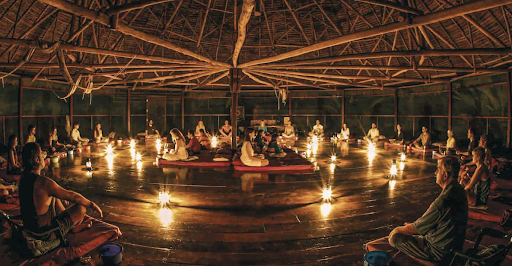
An authentic ayahuasca ceremony follows a structure refined over centuries of practice. Ceremonies typically take place after dark in a specially constructed ceremonial space known as a maloca, a large, circular, thatched structure designed to contain and amplify the sacred experience. Participants lie or sit on mattresses arranged around the perimeter, with the presiding shaman or curandero at the center.
Every ceremony follows traditional structures, songs called icaros, and rituals refined over centuries in Peru’s Amazon basin. These sacred healing songs sung by the shaman throughout the night are considered the primary healing technology of the ceremony. The healer uses vocal tone, rhythm, and intention to navigate the energetic dimensions opened by the medicine, directing healing toward individual participants and managing the collective ceremonial space.
The brew itself is consumed in measured amounts determined by the shaman based on individual participant needs. Effects typically begin within 30-60 minutes and can last 4-8 hours, during which participants may experience intense visual imagery, emotional release, physical purging, and profound shifts in perception and self-understanding. Ayahuasca retreats offer a unique opportunity to discover inner strength and achieve profound healing and personal transformation, guided by the ancient wisdom of the rainforest, empowering participants to reconnect with their true selves.
Purging through vomiting or other physical release is considered a normal and even positive aspect of the ceremony by traditional practitioners, viewed as the body releasing accumulated physical and emotional toxins rather than as an adverse reaction.
The Role of the Shipibo Shaman and Authentic Lineage
The quality, safety, and depth of an ayahuasca ceremony depends enormously on the knowledge and integrity of the presiding healer. The Shipibo healing tradition brings a rich cultural and medicinal legacy to the healing process: time-honored rituals, intricate practices, an expansive cosmology, an encyclopedic knowledge of medicinal plants of the Amazon, and a far-reaching ancestral lineage.
Traditional Shipibo healers undergo years of intensive training involving extended dietary isolation, consumption of teacher plants, and direct transmission of knowledge from senior practitioners. This training, known as dieta, strips away accumulated habits and conditioning while opening the healer’s perception to the spirit dimensions of the plant world. Healers who have completed genuine training carry a depth of knowledge and perceptual capability that cannot be replicated through brief apprenticeships or self-study.
As ayahuasca has gained popularity in the West, ayahuasca tourism has grown significantly, and there are many people taking advantage of this business opportunity without appropriate safety and well-being considerations, claiming to be shamans without proper experience. This reality makes thorough vetting of ceremony facilitators not merely advisable but essential for safety.
Preparation: The Dieta and Pre-Ceremony Protocol
Proper preparation for an ayahuasca ceremony involves multiple dimensions. Participants typically undergo a dietary cleanse of 1-2 weeks with specific foods to purify the body, intention setting through deep reflection on healing goals and spiritual questions, and comprehensive health evaluation to ensure safety.
The traditional dieta involves eliminating pork, alcohol, fermented foods, spicy foods, and in stricter protocols, salt and sugar. These dietary restrictions are not arbitrary; certain foods interact with ayahuasca’s MAO-inhibiting compounds and can create physiological complications. Ayahuasca should not be used by those taking certain antidepressants or other serotonergic medications, those with glaucoma, significant heart or blood pressure issues, or those who are pregnant or breastfeeding.
Setting clear intentions before the ceremony focuses the healing work and helps participants navigate the experience productively. Intentions range from healing specific trauma or addiction to exploring spiritual questions or seeking clarity around life direction. The quality of intention significantly influences the nature and depth of the experience.
Integration: The Work After the Ceremony
Many experienced practitioners consider integration the process of incorporating ceremony insights into daily life more important than the ceremony itself. Profound visions and emotional breakthroughs that occur during ceremony remain largely theoretical unless actively integrated into behavioral changes, relationship shifts, and ongoing psychological work.
Integration and processing the experience with trained professionals often plays a central role in lasting outcomes. Ayahuasca is not a substitute for ongoing medical or psychological care. Responsible retreat centers provide structured integration support including group sharing circles, individual conversations with facilitators, and connections to integration therapists who can help participants work with material that surfaces during the ceremony.
An ayahuasca retreat is not the final solution to problems, it is a new beginning, a foundation on which to build over time, providing inspiration for ongoing spiritual growth. This perspective reflects the mature understanding that the ceremony opens doors; walking through them requires sustained personal work.
Choosing a Reputable Retreat Center
Peru hosts hundreds of retreat centers offering ayahuasca ceremonies, ranging from highly reputable facilities with genuine indigenous healers to operations that prioritize profit over participant safety. Prices for ayahuasca retreats in Peru can differ greatly, beginning at about $100 in some jungle camps, while prices at the other end might reach several thousand dollars for luxury retreats. A low price does not necessarily mean that a retreat center is recommended. Ayahuasca is a serious plant medicine that requires time to experience fully, and a single ceremony in a one-day retreat may not lead to significant insights.
Key indicators of reputable centers include comprehensive medical and psychological screening before acceptance, transparent information about the healers’ training and lineage, detailed preparation and integration support, clear safety protocols for managing difficult experiences, small group sizes allowing individual attention, and verifiable reviews from previous participants.
Iquitos, situated in the Peruvian Amazon, is the largest center for ayahuasca tourism, offering a wider range of options from traditional ceremonies to modern retreat centers. The Sacred Valley near Cusco also hosts retreat centers, though authentic ayahuasca originates from the Amazon rather than the Andean mountains, and Cusco offerings can lean more toward tourism than authentic spiritual experiences.
The Contemporary Research Dimension
Beyond traditional healing contexts, ayahuasca has attracted serious scientific attention. Researchers at institutions worldwide have been investigating its potential therapeutic applications, particularly regarding treatment-resistant depression, PTSD, addiction, and end-of-life anxiety. In contemporary settings, ayahuasca is studied for its potential to support depression and anxiety symptoms, post-traumatic stress and trauma recovery, panic disorders, and enhanced mood, resilience, and self-insight.
While this emerging research is genuinely promising, it remains important to distinguish between ceremonial contexts designed for healing within traditional frameworks and clinical research settings. Neither guarantees positive outcomes, and both require careful screening and professional oversight.
Conclusion
The ayahuasca ceremony stands as one of humanity’s oldest and most sophisticated technologies for self-exploration and healing. Rooted in thousands of years of Amazonian indigenous wisdom and carried forward by dedicated lineages of Shipibo healers, it offers a pathway inward that modern psychology and medicine are only beginning to understand scientifically. Peru’s ayahuasca retreats offer a unique opportunity to explore the depths of consciousness in a setting of natural beauty and ancient tradition. By preparing adequately, choosing a reputable retreat, and approaching the experience with respect, participants can embark on a journey that may transform their perspective on life.
Yet the ceremony demands respect proportional to its power. Those who approach it superficially, without proper medical screening, genuine preparation, experienced guidance, or commitment to integration, risk not just missing its gifts but actively harming themselves psychologically and physically. Approached correctly with humility, thorough preparation, qualified guidance, and serious commitment to the work before and after the ayahuasca ceremony continues to offer what it always has: not escape from life’s difficulties, but a more honest confrontation with them, and the extraordinary possibility of genuine transformation.
Frequently Asked Questions
What exactly happens during an ayahuasca ceremony?
A traditional ceremony takes place at night in a ceremonial maloca, guided by an experienced shaman. Participants consume the ayahuasca brew and lie or sit quietly as effects begin within 30-60 minutes. The shaman sings sacred healing songs called icaros throughout the night, which are considered the primary healing tool of the ceremony. Participants may experience vivid visual imagery, emotional release, deep introspection, and physical purging. Ceremonies typically last 4-8 hours and are followed by a period of rest and integration. The experience varies enormously between individuals and even between ceremonies for the same person.
Is ayahuasca legal in Peru?
Yes, ayahuasca ceremonies are legal in Peru, where the practice is recognized as part of the country’s indigenous cultural heritage. The Peruvian government has formally acknowledged ayahuasca as part of the national cultural patrimony. Legal status varies significantly in other countries in many Western nations, DMT (one of ayahuasca’s active compounds) is a controlled substance, making possession and use illegal regardless of ceremonial context. Always research the legal status in both your home country and any transit countries before participating.
How many ceremonies should I attend during a retreat?
Most experienced practitioners recommend attending multiple ceremonies during a single retreat rather than a single experience. Reputable centers typically offer 3-5 ceremonies over a 7-10 day retreat, allowing the medicine to work progressively and the participant to integrate insights between sessions. Single-ceremony or weekend retreats are generally considered insufficient for meaningful healing work and are not recommended by most experienced practitioners. The most transformative results typically emerge from committed multi-ceremony retreats with proper preparation and integration support.
What medications are dangerous to combine with ayahuasca?
This is among the most critical safety considerations. Ayahuasca contains MAO inhibitors that interact dangerously with numerous medications, most importantly SSRIs and SNRIs (common antidepressants), other MAO inhibitors, stimulants including ADHD medications, some antihistamines, certain antibiotics, tramadol, and lithium. These combinations can cause potentially fatal serotonin syndrome. Participants must disclose all medications to retreat medical staff during screening and must typically discontinue certain medications well in advance sometimes weeks under medical supervision. Never stop prescribed medications without consulting your prescribing physician.
What should I look for when choosing an ayahuasca retreat center?
Prioritize centers that conduct comprehensive medical and psychological screening before accepting participants, are transparent about their healers’ training and lineage, maintain small group sizes, provide structured preparation and integration support, have verifiable positive reviews from previous participants across multiple independent platforms, employ indigenous Shipibo or equivalent traditionally trained healers, have clear protocols for managing difficult experiences, and avoid making exaggerated healing claims. Be wary of very cheap offerings, aggressive marketing, and centers that accept all applicants without screening.
What is the dieta and why is it required?
The dieta is a preparatory dietary and lifestyle protocol followed before and sometimes during ceremony. It typically involves eliminating pork, alcohol, fermented and processed foods, recreational drugs, and sexual activity for 1-2 weeks before ceremony. These restrictions serve both physiological purposes: certain foods interact dangerously with ayahuasca’s compounds and traditional spiritual purposes related to purifying the body and mind for sacred work. Some centers also prescribe extended dietas involving isolation, fasting, and consumption of supplementary plant medicines to deepen the ceremonial experience.
How long do the effects of ayahuasca last and what is the recovery period?
The acute effects of a single ayahuasca ceremony typically last 4-8 hours, though residual effects including emotional sensitivity and altered perception can persist 24-48 hours afterward. Most participants require at least one full rest day following a ceremony before engaging in normal activities. Psychological processing of ceremony material often continues for weeks or months, which is why integration support is so important. Planning for rest and reflection time immediately following any retreat is strongly advisable, returning directly to demanding work or social commitments immediately after ceremony is not recommended.
Can ayahuasca help with depression, trauma, or addiction?
Emerging scientific research suggests potential therapeutic benefits for these conditions, and many participants report significant positive changes in such areas following ceremonial work. However, ayahuasca is not an approved medical treatment, results vary enormously between individuals, and it is not appropriate for everyone. People with certain psychiatric conditions including schizophrenia, bipolar disorder with psychotic features, or active psychosis should generally avoid ayahuasca. The most responsible framing is to approach the ceremony with open intentions rather than specific cure expectations, maintain ongoing professional medical and psychological support, and commit seriously to integration work afterward.
