

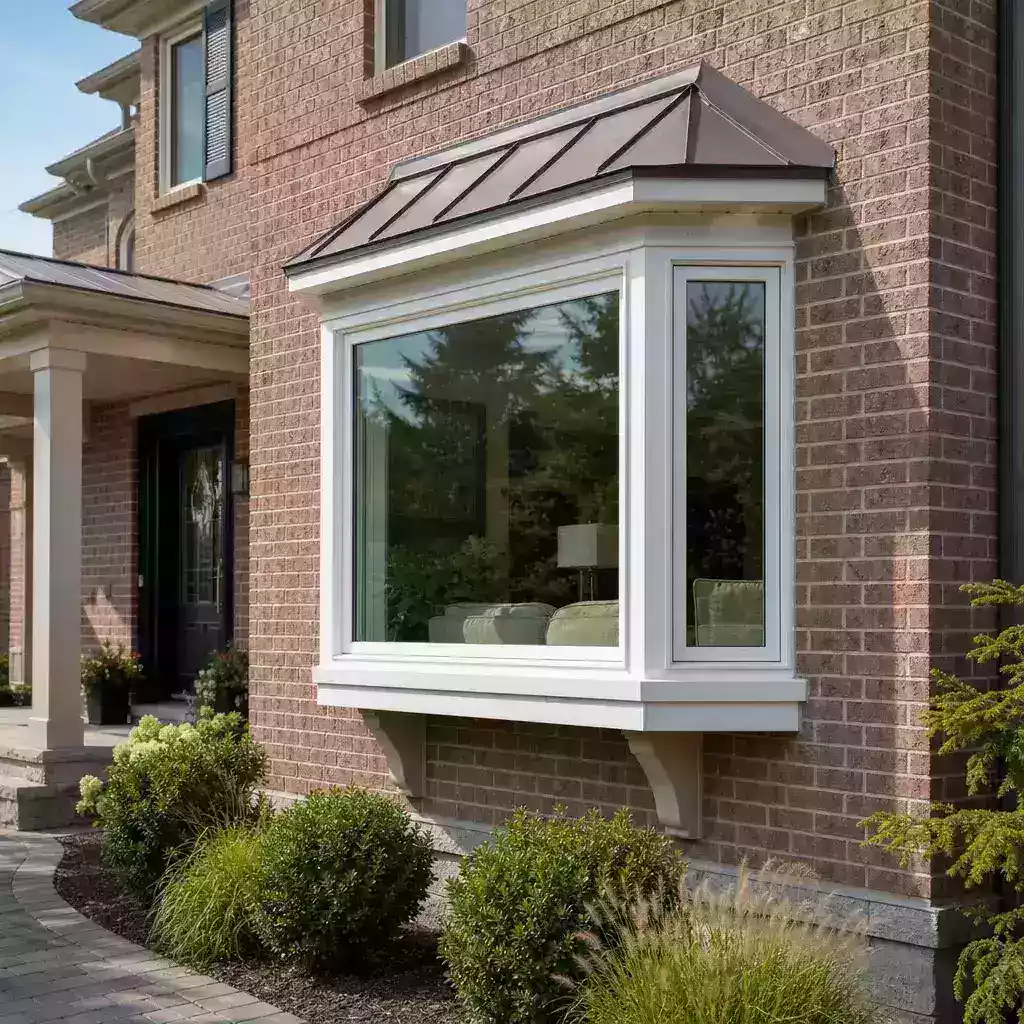
Replacing windows is a significant home improvement project. Homeowners are often presented with numerous choices involving frame materials, glazing options, styles, energy ratings, security features, and installation methods. Because every property has different requirements, comparing the overall solution is more useful than focusing on the window label alone.
When considering Safe Homes Windows alongside standard replacement windows, the key question is what each option provides in terms of performance, appearance, installation, durability, maintenance, and long-term value. A well-selected replacement window should complement the property while addressing practical problems such as draughts, condensation, heat loss, or difficult operation.
What Are Standard Replacement Windows?
Standard replacement windows generally refer to modern window units designed to replace older or damaged windows. They can be manufactured from materials such as uPVC, timber, aluminium, or composite materials and may use double or triple glazing.
Double glazing consists of two panes separated by an insulating space, while triple glazing adds another pane to provide additional insulation. Low-emissivity glass and gas-filled cavities can further improve thermal performance.
However, “standard” does not necessarily mean poor quality. A conventional replacement window can perform extremely well when it has suitable specifications and is correctly installed.
How Safe Homes Windows Can Fit Into the Comparison
The value of Safe Homes Windows should be considered as part of a complete window solution rather than simply compared with a generic replacement unit. Homeowners can examine the available frame choices, glazing specifications, design options, installation process, warranties, maintenance requirements, and after-sales support.
This approach makes the comparison more meaningful because two windows that look similar can have noticeably different thermal and practical performance.
Energy Efficiency Matters
One of the primary reasons homeowners replace older windows is to improve energy efficiency. Older single-glazed windows generally allow considerably more heat transfer than modern double- or triple-glazed units.
A window’s U-value helps indicate how readily heat passes through it. Generally, a lower U-value means better resistance to heat transfer. Whole-window performance is particularly important because both the glass and frame contribute to thermal efficiency.
When comparing Safe Homes Windows with standard replacement windows, homeowners should therefore ask for measurable performance information rather than relying solely on general claims about efficiency.
Frame Material and Design
Frame material can influence thermal performance, appearance, maintenance, durability, and cost. uPVC is widely used because it requires relatively little maintenance, while timber can provide a traditional appearance and aluminium can offer slim profiles and long-term durability.
There is no single frame material that is automatically appropriate for every property. The architectural character of the house, budget, desired appearance, planning requirements, and expected maintenance should all be considered.
For homeowners comparing different window suppliers, looking carefully at frame construction and specifications can reveal more than simply comparing photographs of finished products.
Glazing Options
Glazing is another major difference between replacement-window products.
Double glazing can substantially improve insulation compared with single glazing, while triple glazing can provide an additional level of thermal and acoustic performance. Low-E glass is designed to reflect heat back toward the interior while allowing natural light to enter.
The best choice depends on the property. A homeowner should consider climate, orientation, noise levels, ventilation, existing insulation, and budget before automatically choosing the highest glazing specification.
Installation Can Be Just as Important as the Window
Even a high-performing window can deliver disappointing results if it is poorly installed. Incorrect fitting can contribute to draughts, water penetration, operational problems, and reduced thermal performance.
Professional installation helps ensure that frames are correctly positioned, sealed, aligned, and finished. The Energy Saving Trust recommends using professional installers for new windows and advises homeowners to obtain multiple quotations when comparing installation services.
This means the comparison between Safe Homes Windows and standard replacement windows should include the installation process, not just the physical window itself.
Appearance and Property Character
Windows have a major influence on a home’s exterior appearance. Replacing outdated windows can make an older property appear cleaner, brighter, and more contemporary.
At the same time, modernisation needs to respect the property’s character. Traditional homes may benefit from carefully selected frame styles that retain appropriate proportions, while newer properties may suit contemporary designs with larger glazed areas.
For properties in conservation areas or listed buildings, additional planning considerations may apply, so homeowners should investigate local requirements before ordering replacement windows.
Maintenance and Longevity
Maintenance requirements should also form part of the comparison. Modern uPVC windows, for example, generally require limited maintenance beyond cleaning and periodic checks, while timber windows may require more regular attention.
Good-quality double glazing can potentially last for decades when properly manufactured, installed, and maintained. Signs such as condensation between panes, damaged seals, draughts, discolouration, or difficulty opening and closing windows can indicate that replacement may be appropriate.
A homeowner should therefore consider expected service life alongside the initial purchase price.
Security and Everyday Function
Replacement windows can also improve everyday usability and security. Modern locking systems, stronger frames, secure hardware, and correctly fitted glazing can contribute to a more secure home.
Homeowners should look beyond the appearance of locks and handles and ask about the construction of the complete window system. Easy operation is equally important because windows that are difficult to open, close, or ventilate can become frustrating over time.
Cost Versus Long-Term Value
Price is naturally an important part of any replacement-window decision, but the lowest initial quotation may not represent the lowest overall cost.
A better comparison considers the complete package, including:
- Window materials
- Glass specification
- Energy performance
- Number and size of windows
- Installation
- Removal of existing units
- Finishing work
- Warranty
- Maintenance requirements
- Long-term durability
Obtaining several detailed quotations makes it easier to compare like-for-like specifications rather than comparing headline prices alone.
Safe Homes Windows vs. Standard Replacement Windows: What Should Homeowners Compare?
Rather than assuming one category is automatically better, homeowners can create a practical checklist:
| Consideration | Safe Homes Windows | Standard Replacement Windows |
|---|---|---|
| Window style | Check available designs | Depends on supplier |
| Frame material | Compare available materials | Wide range available |
| Glazing | Review exact specification | Varies by product |
| Energy efficiency | Request whole-window performance | Compare U-values and ratings |
| Installation | Examine installer experience | Varies significantly |
| Maintenance | Check manufacturer requirements | Depends on frame material |
| Warranty | Review terms carefully | Varies by supplier |
| Appearance | Match design to property | Many styles available |
| Cost | Compare complete quotation | Compare like-for-like quotation |
| Long-term value | Consider performance and service | Consider total ownership cost |
The important point is that these categories are not necessarily opposites. A professionally supplied and installed window from a specialist company can itself be a standard replacement window in technical terms. What matters is the specification and quality of the complete installation.
Making a More Informed Choice
Before choosing replacement windows, homeowners should ask several practical questions. What is the whole-window U-value? What glazing is included? What frame material is being used? Who will install the windows? What warranty is provided? Are there ventilation considerations? Does the property have any planning restrictions?
These questions help separate meaningful performance differences from marketing language.
Final Thoughts
The comparison between Safe Homes Windows and standard replacement windows ultimately comes down to the details of the products and services being offered. Modern replacement windows can provide improvements in insulation, comfort, noise reduction, appearance, and everyday usability, but performance depends on the complete system and the quality of installation.
For homeowners, the most sensible approach is to compare detailed specifications, installation standards, warranties, design choices, maintenance requirements, and total costs. By doing so, they can select windows that suit both the character of their property and their long-term home-improvement goals.
