

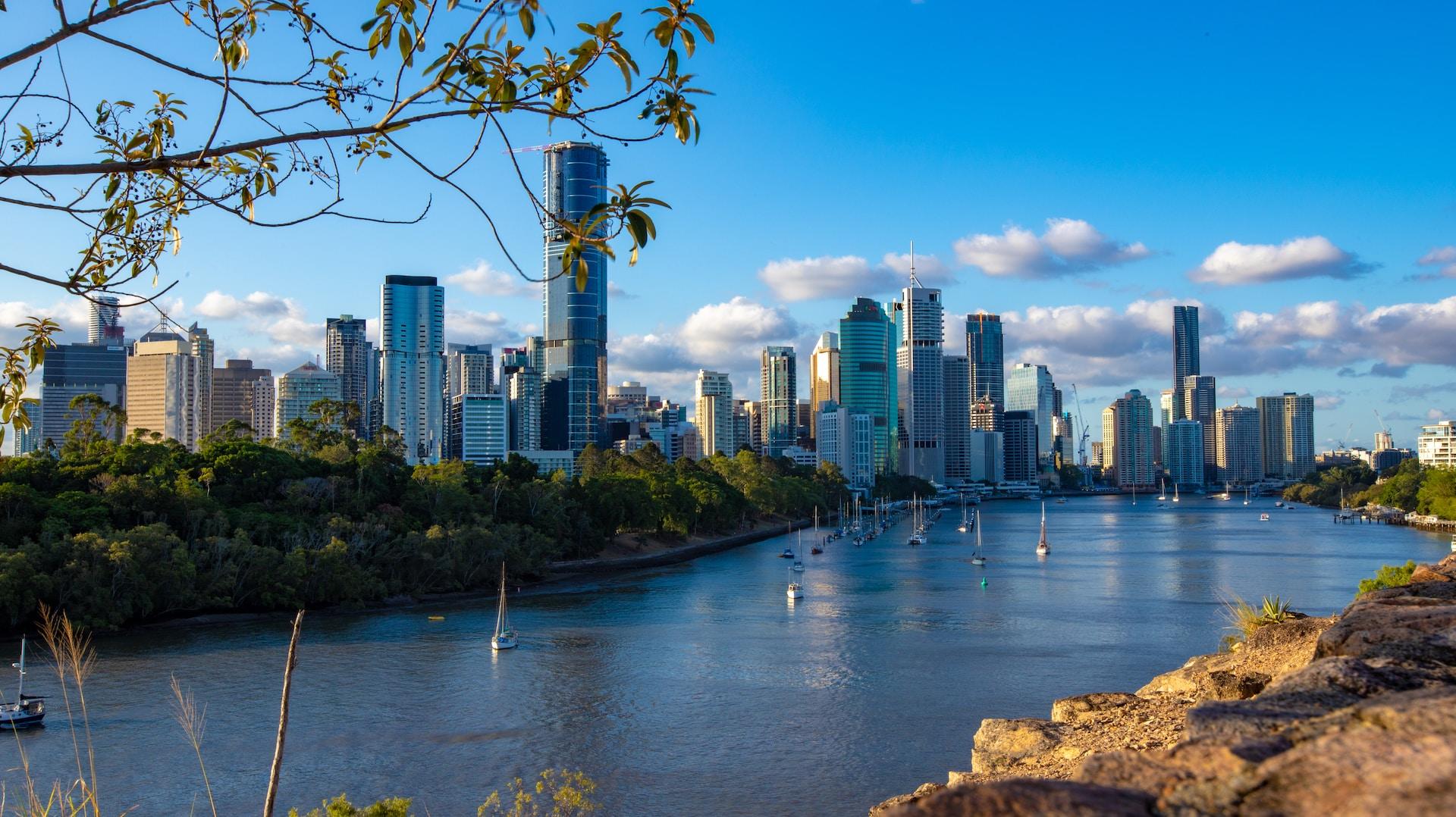
Brisbane has long been established as a premier destination for secondary education in Australia. Whether you are a local family navigating the transition from primary school or an interstate family relocating to the Sunshine State, the “River City” offers a diverse educational landscape.
From high-performing state academies to historic independent institutions, the options for high schools in Brisbane are as varied as the students they serve.
With the 2026 academic year in full swing, the focus on academic rigour, holistic wellbeing, and modern facilities has never been higher.
Navigating these choices requires an understanding of the Queensland Certificate of Education (QCE) and the Australian Tertiary Admission Rank (ATAR) systems, as well as the unique culture each school provides.
Understanding the Brisbane Education Landscape
The Queensland education system is structured to prepare students for a rapidly changing global economy. High school typically spans Year 7 to Year 12, with the final two years focusing heavily on senior secondary pathways. According to the Australian Bureau of Statistics, as of 2025, over 62% of Australian students are enrolled in government schools, though the independent sector in Queensland continues to see significant growth.
When looking at high schools in Brisbane, parents generally categorise their options into three main streams:
- State Schools (Public): Funded by the Queensland Government, these schools provide high-quality education to students within a specific catchment area.
- Selective State Schools: These are public schools that require entrance exams or specific auditions, such as the Queensland Academies.
- Independent and Catholic Schools (Private): These schools often offer specialised facilities, smaller class sizes, and, in many cases, comprehensive boarding options.
Top Factors for Selecting a Brisbane High School
Choosing the right school is a deeply personal decision that goes beyond simple rankings. Here are the key factors families should prioritise:
- Academic Performance and ATAR Results Brisbane is home to some of the highest-achieving schools in the country. Results from the 2025 cohort showed that nearly 25% of Queensland graduates received an ATAR of 90 or above, as noted in recent Queensland Government Ministerial Statements. Schools like the Queensland Academy for Science Mathematics and Technology (QASMT) and Brisbane Grammar School consistently lead the state in these metrics.
- Specialised Curriculum and Extracurriculars Many Brisbane schools offer niche programmes. Some focus on STEM (Science, Technology, Engineering, and Mathematics), while others are renowned for their excellence in the creative arts or competitive sport. For instance, Kelvin Grove State College is famous for its visual arts department, while others participate in the prestigious GPS (Great Public Schools) sporting association.
- Boarding Facilities and Pastoral Care For families living in regional Queensland or overseas, boarding is a critical consideration. Modern boarding is about more than just a place to sleep; it is about creating a “home away from home” that fosters independence and community. One notable example of this is the high-quality boarding at Somerville House, which offers a supportive environment for girls to flourish academically and socially.
- Campus Location and Accessibility The “hub and spoke” nature of Brisbane means that many top-tier schools are clustered around the inner city—specifically in suburbs like South Brisbane, Spring Hill, and Indooroopilly. However, the 2026 Queensland Budget has allocated over $800 million for the planning and construction of new schools in high-growth corridors like Ripley Valley and Caloundra South to ensure accessibility for all.
- School Culture and Values Every school has a “vibe.” Some are traditional and formal, emphasising heritage and discipline. Others are progressive, focusing on individualised learning paths and social-emotional development. Attending open days is the best way to gauge if a school’s values align with your family’s expectations.
Notable High Schools in Brisbane
To provide a snapshot of the diversity available, let’s look at some of the institutions that are frequently at the top of parental wish lists:
- Brisbane State High School (BSHS): Located in South Brisbane, this is a unique partially selective public school. It is famous for its “triple threat” excellence in academics, sport, and the arts.
- The Queensland Academies: These selective-entry state schools, such as the Creative Industries campus at Kelvin Grove or the Health Sciences campus at Southport, offer the International Baccalaureate (IB) Diploma.
- Somerville House: A leading independent school for girls in South Brisbane. It is highly regarded for its academic excellence and its commitment to nurturing confident, resilient young women through both day and boarding programmes.
- Brisbane Grammar School and Brisbane Girls Grammar School: These two independent schools in Spring Hill are historic pillars of the Brisbane educational community, consistently producing some of the state’s top ATAR results.
The Costs of Education in 2026
While state schools are government-funded and require only modest “resource scheme” fees, private education in Brisbane involves a significant financial commitment. Annual tuition fees for top-tier independent schools in 2026 typically range from $20,000 to over $30,000, with boarding fees being an additional cost.
However, many families find the investment worthwhile due to the smaller teacher-to-student ratios—which averaged 12.8 to 1 nationally in 2025—and the extensive networking opportunities provided by these institutions.
