

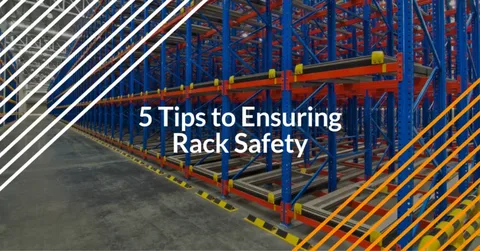
Safety is a critical priority in any warehouse environment, especially where heavy loads and constant material movement are involved. With the growing adoption of heavy-duty racking and industrial racking systems, correct design, installation, and usage have become increasingly important. When racking practices are poorly managed, they significantly increase safety risks, disrupt workflow, and result in costly product damage, downtime, and liability exposure.
Incorrect Load Capacity & Overloading
Overloading is one of the most common and dangerous mistakes affecting warehouse racking safety. It often occurs when load ratings are misunderstood, ignored, or exceeded during daily operations.
Ignoring Load Limits of Heavy-Duty Racking
Every heavy-duty racking system is engineered with defined load limits for beams, uprights, and complete rack bays. When these limits are exceeded, structural components experience stress beyond their design capacity, increasing the likelihood of bending, fatigue, or sudden failure during normal warehouse operations.
Uneven Weight Distribution on Industrial Racking Systems
Uneven loading, such as placing heavier pallets on one side or stacking loads inconsistently, creates imbalance within the racking structure. Over time, this uneven stress weakens beams and frames, reducing overall stability and increasing the risk of rack deformation or collapse.
Risks of Rack Collapse and Product Damage
Overloaded or poorly balanced racks can result in partial or full rack collapse, posing danger to warehouse personnel. In addition to safety risks, such incidents often cause significant product loss, equipment damage, and extended operational downtime.
Importance of Proper Load Calculations
Accurate load calculations ensure racking systems are designed and used within safe operating limits. Proper assessment of pallet weight, load distribution, and dynamic forces helps prevent overloading and supports long-term racking performance.
Poor Racking Design & Layout Planning
Even high-quality racking systems can become hazardous if the overall warehouse layout is poorly planned or not aligned with operational needs.
Using Standard Designs Instead of Customised Industrial Racking
Standard racking designs may not account for specific pallet sizes, load characteristics, or handling methods. Customised industrial racking solutions ensure the system fits operational requirements, improving both safety and storage efficiency.
Inadequate Aisle Width and Forklift Clearance
Insufficient aisle space restricts forklift movement and increases the risk of collisions with racks, pallets, or workers. Proper aisle planning ensures smooth traffic flow and reduces impact-related damage to racking systems.
Incorrect Rack Height for Ceiling and Sprinkler Systems
Installing racks too close to ceilings or fire sprinkler systems can violate safety regulations and compromise fire protection effectiveness. Correct height planning ensures compliance while maintaining adequate airflow and fire suppression coverage.
Impact of Poor Planning on Safety and Workflow
Poor layout planning leads to congestion, inefficient picking routes, and higher accident rates. Over time, these issues reduce productivity and create an unsafe working environment.
Improper Installation & Structural Issues
The structural integrity of racking systems depends heavily on correct installation and quality workmanship.
Unanchored or Poorly Anchored Heavy-Duty Racking
Heavy-duty racking that is not properly anchored to the floor is more vulnerable to movement, vibration, and impact from forklifts. This instability significantly increases the risk of rack displacement or collapse.
Misaligned Uprights and Beams
Incorrect alignment during installation causes uneven load transfer across the racking structure. This accelerates wear on specific components and reduces the overall load-bearing capacity of the system.
Use of Substandard Materials
Using low-quality steel, damaged components, or incompatible parts compromises structural strength. Over time, these weaknesses increase maintenance needs and elevate safety risks.
Importance of Professional Installation
Professional installation ensures correct anchoring, alignment, and compliance with safety standards. This reduces installation errors and ensures long-term reliability of industrial racking systems.
Lack of Regular Inspections & Maintenance
Racking systems experience continuous stress from daily operations and require routine monitoring to remain safe.
Ignoring Damaged Beams, Frames, or Connectors
Minor damage caused by forklift impact or overloading may appear insignificant but can escalate into serious structural failures if not addressed promptly.
Absence of Routine Safety Inspections
Without scheduled inspections, early warning signs such as bent beams or loose connectors often go unnoticed until a serious incident occurs.
Wear and Tear from Daily Operations
Frequent pallet handling and forklift contact gradually weaken racking components, particularly in high-traffic areas, reducing system lifespan.
Why Preventive Maintenance Is Critical
Preventive maintenance allows early detection and repair of damage, extending the lifespan of heavy-duty racking and preventing costly accidents or shutdowns.
Missing Safety Accessories & Training
Racking safety depends not only on equipment but also on proper protection and trained personnel.
Lack of Rack Protectors and Safety Guards
Without column guards, end barriers, and load signage, racking systems are more susceptible to impact damage and improper use.
Inadequate Forklift Operator Training
Untrained or inexperienced operators are more likely to overload racks, misplace pallets, or collide with structural components.
Low Safety Awareness Among Warehouse Staff
When warehouse staff are unaware of load limits and safe handling procedures, unsafe practices can quickly become routine.
How Safety Measures Reduce Industrial Racking Risks
Proper safety accessories, clear signage, and regular training significantly reduce accidents, protect infrastructure, and improve overall warehouse safety culture.
Strengthen Warehouse Safety with the Right Racking Partner
Avoiding common heavy-duty racking mistakes is essential for protecting workers, inventory, and operations. From correct load calculations to proper installation and ongoing maintenance, a well-managed racking system significantly reduces safety risks and long-term costs. Aracking supports warehouses with racking audits, customised industrial racking design, professional installation, and safety inspections to ensure compliance and operational reliability. Contact Aracking to assess your current racking system and implement safer, more efficient storage solutions.
